
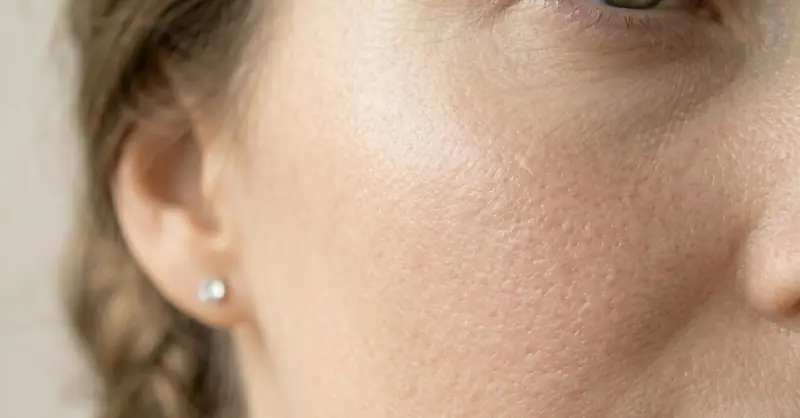
The science of skin aging is evolving rapidly — and for women navigating the skin changes that come with menopause and beyond, evidence-based skincare represents a fundamentally different approach: working with your skin's biology rather than against it.
Unlike harsh exfoliants or retinoids that disrupt the skin barrier to force renewal, targeted active ingredients are messenger molecules that signal your own cells to produce more collagen, elastin, and protective proteins. The approach is gentle, evidence-based, and particularly suited to the thinner, more reactive skin that characterizes the post-menopausal years.
How pH-Balanced Toners Support Barrier Function
Toners have undergone a complete reinvention — from astringent, alcohol-based products that stripped the skin (and damaged the barrier they were supposed to help) to pH-balancing, hydrating formulations that actively support barrier function. The modern barrier toner serves three specific functions: (1) restoring the skin's acidic pH after cleansing (most cleansers temporarily raise pH above the optimal 4.5-5.5 range), (2) providing a hydration layer that enhances subsequent product penetration, and (3) delivering barrier-supportive ingredients in a lightweight vehicle that absorbs quickly.[1]
The pH-restoration function is particularly important for barrier health. The stratum corneum's lipid matrix is pH-dependent — the enzymes that process ceramides into their functional forms (β-glucocerebrosidase and acidic sphingomyelinase) require acidic pH to function properly. When cleansing temporarily raises skin pH to 6.0-7.0, these enzymes slow down, reducing ceramide processing for 30-60 minutes. A barrier toner at pH 4.5-5.5 applied immediately after cleansing restores the acidic environment that these enzymes need, minimizing the ceramide-processing disruption that occurs with each cleanse.
Clinical research confirms that the ingredients that define a beneficial barrier toner: (1) Hyaluronic acid (multi-weight) — provides immediate hydration that the repaired barrier will retain. (2) Niacinamide (2-5%) — stimulates endogenous ceramide production. (3) Panthenol — supports barrier repair and reduces TEWL. (4) Centella asiatica (cica) — anti-inflammatory and wound-healing properties that support barrier recovery. (5) No alcohol denat, no fragrance, no essential oils — these ingredients in toners directly damage the barrier they're supposed to support. The ingredients that define a harmful toner (avoid): witch hazel (contains tannins that strip lipids), alcohol denat (dissolves barrier lipids), menthol/camphor (irritants that trigger inflammation), and AHA/BHA at exfoliating concentrations (appropriate in a targeted treatment, not in a daily toner for barrier-compromised skin).
The application technique for barrier toners: dispense the toner into the palm and press it into damp skin (immediately after cleansing, while the face is still wet from rinsing). Do not use cotton pads — they absorb 30-50% of the product and create unnecessary friction on the skin surface. Press the toner into the face and neck with flat palms, allowing it to absorb for 30-60 seconds before applying serum or cream. The toner layer serves as a hydration reservoir that the subsequent ceramide cream seals in — together, they provide both surface hydration (toner) and structural barrier repair (cream). For women with intact barriers, toner is optional. For women actively repairing barrier damage or maintaining post-menopausal barrier health, a pH-balancing hydrating toner is a valuable addition to the simplified repair routine.
Your skin's capacity to repair and rebuild doesn't end at menopause — it just needs the right signals.
— Dr. Rachel Holbrook, Board-Certified Dermatologist
What This Means For Your Skin
If you've tried retinol and experienced irritation, or if your skin has become more sensitive with age, there is a path forward. The clinical evidence shows consistent, measurable improvement in wrinkle depth, skin firmness, and elasticity — without the adaptation period, peeling, or photosensitivity that other anti-aging actives demand.
Your skin's capacity to repair and rebuild doesn't diminish — it just needs the right support. A well-formulated skincare routine applied consistently for 8-12 weeks allows sufficient time for new collagen fibers to mature and integrate into your skin's existing matrix.
The science is clear. The evidence is consistent. The results are measurable.
What happens next is up to you.