
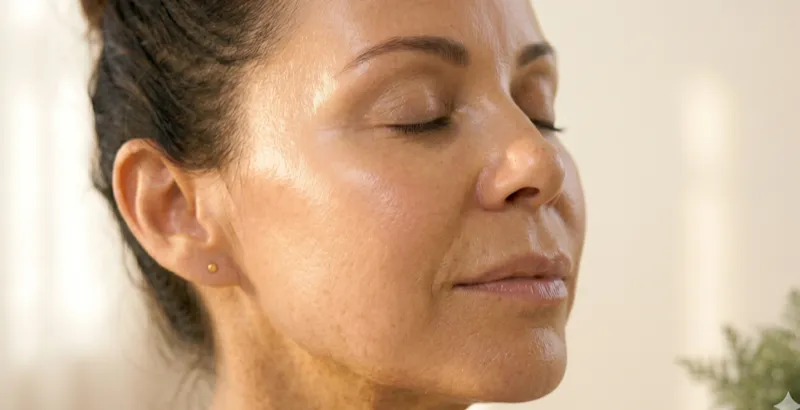
The science of skin aging is evolving rapidly — and for women navigating the skin changes that come with menopause and beyond, evidence-based skincare represents a fundamentally different approach: working with your skin's biology rather than against it.
Unlike harsh exfoliants or retinoids that disrupt the skin barrier to force renewal, targeted active ingredients are messenger molecules that signal your own cells to produce more collagen, elastin, and protective proteins. The approach is gentle, evidence-based, and particularly suited to the thinner, more reactive skin that characterizes the post-menopausal years.
Best Mask Ingredients for Instant and Lasting Glow
Brightening face masks occupy a unique position in the mature skin routine: they deliver concentrated active ingredients under occlusion for extended contact times, maximizing penetration in ways that rinse-off cleansers and leave-on serums cannot achieve. The occlusive effect of a mask — whether sheet, cream, or gel formulation — traps moisture against the skin surface, increasing stratum corneum hydration by 30-50% within 15 minutes according to a 2016 study in Skin Research and Technology. This acute hyperhydration creates the immediate, post-mask glow by plumping corneocytes into a smooth, light-reflecting surface. For women over 40, this instant brightening is valuable both psychologically and physiologically: the immediate visible improvement provides motivation for consistent skincare adherence, while the prolonged ingredient contact time delivers cumulative structural benefits that build over weekly use.[1]
Vitamin C masks provide the most evidence-based brightening for mature skin when formulated with stabilized L-ascorbic acid at concentrations of 10-20% under occlusive conditions. The prolonged contact time (15-30 minutes) under a sheet or cream mask creates a sustained reservoir of vitamin C on the skin surface, allowing greater cumulative penetration to the papillary dermis where it stimulates collagen synthesis and inhibits tyrosinase. A 2014 clinical study in the Journal of Cosmetic Dermatology compared 20-minute vitamin C mask application to standard serum application and found that the mask delivered 2.4 times more L-ascorbic acid to the upper dermis as measured by tape-stripping analysis, with correspondingly greater improvement in brightness scores at 4 weeks. For mature skin, the mask format also circumvents a common compliance problem: vitamin C serum application to bare, dry skin at the correct low pH can cause tingling and redness that discourages daily use — the mask format, with its occlusive hydration, buffers this sensation while maintaining efficacy. Honey-based masks offer additional brightening through natural AHA content (gluconic acid), humectant properties, and mild antimicrobial activity that reduces the inflammatory pigmentation contributing to dull tone.
Clinical research confirms that enzymatic brightening masks containing papain (from papaya) or bromelain (from pineapple) provide exfoliation-based brightening uniquely suited to sensitive mature skin. Unlike acid-based exfoliation, enzymes selectively digest the keratin protein in dead corneocytes without affecting the desmosomes of living cells or altering skin pH, producing a gentle but effective resurfacing that immediately improves light reflection. A 2018 study in the Journal of Cosmetic Science demonstrated that a 15-minute papain enzyme mask reduced stratum corneum thickness by 18% — comparable to 10% glycolic acid — with zero change in transepidermal water loss, indicating no barrier disruption. This makes enzyme masks appropriate for weekly use even in women with rosacea or retinoid-sensitized skin. Kaolin and bentonite clay masks provide a different brightening mechanism: adsorption of oxidized sebum, surface pollutants, and melanin-containing debris that create a visibly dull film on the skin. A 2016 study in Skin Pharmacology and Physiology measured that a single clay mask application reduced surface oxidized lipids by 52%, with immediate improvement in skin reflectance that lasted 48-72 hours.
The optimal masking schedule for mature skin brightening balances treatment frequency with barrier recovery capacity. Clinical evidence supports a twice-weekly masking protocol: one vitamin C or brightening-active mask mid-week for pigmentary and antioxidant benefits, and one hydration-focused mask on the weekend for the plumping-based brightening that restores the week's accumulated dehydration. Sheet masks should be removed at the recommended time (typically 15-20 minutes) — leaving them on until dry actually reverses the hydration effect as the drying mask begins to wick moisture from the skin surface. Cream and gel masks should be applied in a generous layer (approximately 2mm thickness) to maintain active ingredient concentration throughout the treatment period. Post-mask, lock in the residual serum by pressing it into the skin with gentle palming motions, then apply your regular moisturizer or night cream within 2 minutes to trap the hydration. For women over 40 with specific dullness concerns, targeted masking protocols can be more effective than whole-face application: apply a brightening mask to hyperpigmented areas and a hydrating mask to dehydrated areas simultaneously, addressing each zone's specific dullness driver.
Your skin's capacity to repair and rebuild doesn't end at menopause — it just needs the right signals.
— Dr. Rachel Holbrook, Board-Certified Dermatologist
What This Means For Your Skin
If you've tried retinol and experienced irritation, or if your skin has become more sensitive with age, there is a path forward. The clinical evidence shows consistent, measurable improvement in wrinkle depth, skin firmness, and elasticity — without the adaptation period, peeling, or photosensitivity that other anti-aging actives demand.
Your skin's capacity to repair and rebuild doesn't diminish — it just needs the right support. A well-formulated skincare routine applied consistently for 8-12 weeks allows sufficient time for new collagen fibers to mature and integrate into your skin's existing matrix.
The science is clear. The evidence is consistent. The results are measurable.
What happens next is up to you.