
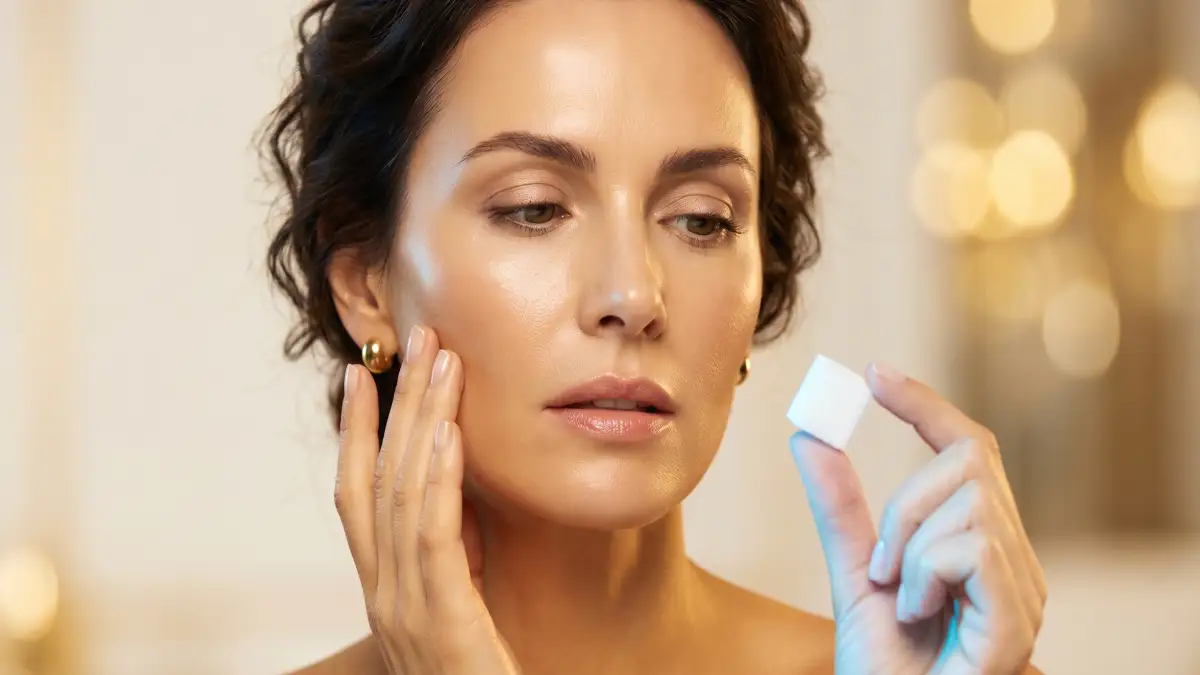
The science of skin aging is evolving rapidly — and for women navigating the skin changes that come with menopause and beyond, evidence-based skincare represents a fundamentally different approach: working with your skin's biology rather than against it.
Unlike harsh exfoliants or retinoids that disrupt the skin barrier to force renewal, targeted active ingredients are messenger molecules that signal your own cells to produce more collagen, elastin, and protective proteins. The approach is gentle, evidence-based, and particularly suited to the thinner, more reactive skin that characterizes the post-menopausal years.
Dietary Strategies to Reduce Skin Glycation Damage
Dietary AGEs represent a significant but often overlooked source of skin glycation. Foods cooked at high temperatures — grilling, frying, broiling — generate exogenous AGEs that are partially absorbed through the gut and distributed systemically. Uribarri and colleagues measured AGE content across 549 common foods and found that dry-heat cooking methods produced AGE levels 10-100 times higher than uncooked or water-based cooking methods, directly increasing circulating AGE burden.[1]
The glycemic index of consumed foods determines the rate and magnitude of blood glucose spikes that drive endogenous collagen glycation. High-glycemic foods such as white bread, sugary beverages, and processed snacks produce rapid glucose elevations that overwhelm the body's anti-glycation defenses. Clinical research demonstrates that postprandial glucose spikes above 140 mg/dL significantly increase the rate of collagen glycation compared to steady-state glucose levels.
Clinical research confirms that anti-glycation dietary patterns emphasize low-glycemic whole foods, adequate protein for carnosine synthesis, and cooking methods that minimize AGE formation. Steam, poach, or stew rather than grill or fry. Mediterranean diet adherents consistently show lower skin AGE levels and better skin elasticity scores compared to Western diet controls, attributed to the combination of low glycemic load, polyphenol-rich fruits and vegetables, and omega-3 fatty acids.
Specific foods demonstrate measurable anti-glycation properties in clinical studies. Green tea catechins inhibit AGE formation by trapping methylglyoxal. Turmeric's curcumin chelates the metal ions that catalyze glycation. Cinnamon extract improves insulin sensitivity, reducing postprandial glucose peaks. These dietary interventions complement topical anti-glycation skincare by addressing glycation from the systemic level where the damage originates.
Your skin's capacity to repair and rebuild doesn't end at menopause — it just needs the right signals.
— Dr. Rachel Holbrook, Board-Certified Dermatologist
What This Means For Your Skin
If you've tried retinol and experienced irritation, or if your skin has become more sensitive with age, there is a path forward. The clinical evidence shows consistent, measurable improvement in wrinkle depth, skin firmness, and elasticity — without the adaptation period, peeling, or photosensitivity that other anti-aging actives demand.
Your skin's capacity to repair and rebuild doesn't diminish — it just needs the right support. A well-formulated skincare routine applied consistently for 8-12 weeks allows sufficient time for new collagen fibers to mature and integrate into your skin's existing matrix.
The science is clear. The evidence is consistent. The results are measurable.
What happens next is up to you.